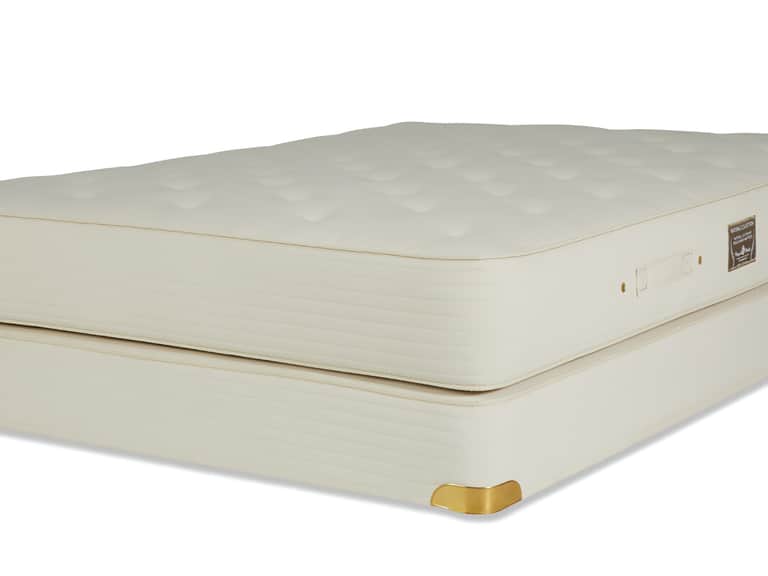
This editorial-style guide translates sleep science into actionable steps for selecting a healthier, more comfortable sleep surface. From certifications to materials to practical testing methods, this piece navigates the evolving world of organic mattresses with care, clarity, and a touch of People magazine flair.
In the world of sleep products, “organic” isn’t just about a label. It signifies a commitment to materials that minimize exposure to harsh chemicals, promote sustainability, and support healthier indoor environments. An organic mattress typically emphasizes certified organic materials, responsible farming practices, and manufacturing processes that limit toxic additives. For sleepers, this translates into fewer chemical off-gassing, better breathability, and a surface that feels more naturally connected to the body.
The heart of organic certification lies in trusted standards that verify farming and processing methods. Look for independent certifications that confirm organic content, safe-fire practices, and non-toxic processing. Certifications aren’t a guarantee of perfection, but they provide a credible signal that the product aligns with a consumer’s safety and environmental values.
In the context of bedreview.org’s mission—Sleep Education and Bed Safety Resource—the focus is on materials that support safe sleep, particularly for families, individuals with sensitivities, and anyone who prioritizes long-term well-being over quick, flashy trends. Organic doesn’t have to mean expensive or inaccessible; it means selecting surfaces that reduce exposure to synthetic chemicals while maintaining comfort and durability.
When you lie down on a mattress, you’re experiencing a dance of materials. Each component—core, comfort layers, and fabrics—plays a distinct role in support, temperature regulation, and overall sleep quality. Organic mattresses often combine several high-performance materials to achieve a balance of firmness, contouring, and breathability.
Beyond these core materials, you’ll encounter blends and layering strategies—such as organic cotton fiber insulators, or plant-based foams—that aim to preserve breathability while minimizing chemical exposure. Each mattress test should consider durability, body-conforming properties, and how the surface behaves across different sleep positions.
Certifications provide a framework for evaluating organic content and safety standards. While the landscape evolves, some certifications consistently signal credible practices:
When selecting an organic mattress, seek a transparent chain of custody and detailed component disclosures. A responsible brand will often publish a methodology page that explains how certifications are attained, what materials are used, and how the product performs in real-life testing. This aligns with bedreview.org’s emphasis on methodology, sources, and review integrity.
Choosing an organic mattress isn’t just about naming; it’s about how a surface feels and supports the body over hours of rest. A practical framework helps you translate subjective comfort into objective criteria. Here are three core pillars:
A robust evaluation also includes a review of sensory experiences: temperature regulation, moisture management, and the absence of chemical odors. For many readers, a product that remains comfortable across seasons and sleep cycles is the ultimate marker of quality.
Across different eras, three individuals stand out for shaping the conversation about sleep, comfort, and restorative rest. Their work—spanning early modern ergonomics to contemporary sleep science—offers perspectives that enrich the organic mattress journey.
By acknowledging these voices—historic ergonomic thought, foundational physiology, and current translational science—readers gain a richer lens for evaluating organic mattresses. It’s not just about a surface you lie on; it’s about a designed system that supports the body through the night, with materials chosen for safety, durability, and comfort.
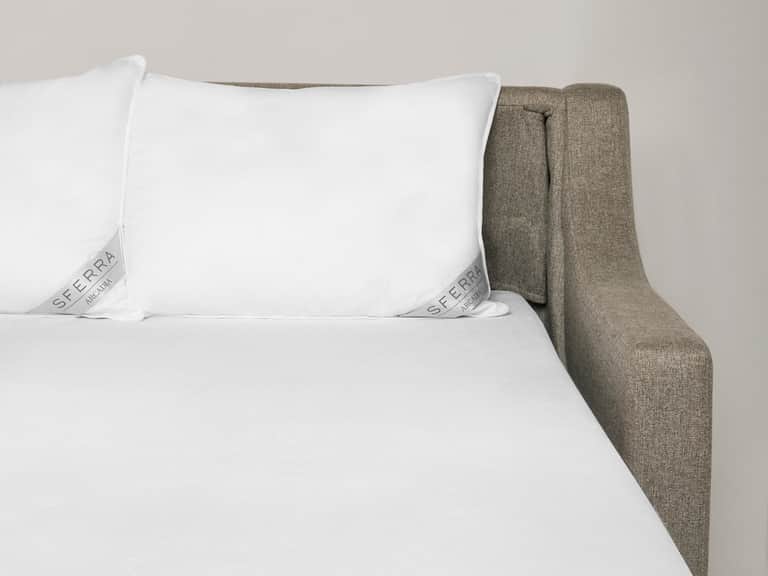
A well-protected sleep surface can extend the life of an organic mattress and keep the environment clean for years of healthy rest. The Bailey Comfort Sleeper Mattress Protector from Sferra, designed to fit American Leather sofa beds, embodies practical protection with a quiet, breathable cotton terry surface and a waterproof finish. It’s a reminder that sleep quality isn’t just about the top layer—it's also about preserving the surface you rely on nightly.
Key features:
How it helps in an organic context:
By guarding against spills and messes, this protector helps maintain a stable, clean sleep surface that supports the integrity of organic layers. While not a material itself, a protector is a practical complement to an organic mattress, contributing to longevity and hygiene without introducing synthetic additives.
Bailey Comfort Sleeper Mattress Protector — 79.00
A practical approach to choosing an organic mattress starts with aligning your goals—safety, durability, comfort, and eco-consciousness—with verified materials and transparent practices. Here’s a concise, actionable plan:
By following this roadmap, readers can make informed choices that support restful nights and healthier homes. The bed becomes more than a place to sleep—it becomes a sanctuary for consistent, restorative rest, anchored in trustworthy materials and careful testing.
bedreview.org aims to be accessible, practical, and trustworthy. Content is organized into clear taxonomies that help readers navigate Sleep Science, Bed Ergonomics, Safety & Care, Environment & Wellness, and Myths vs. Facts. A dedicated methodology page outlines sources and review processes to support credibility. A glossary demystifies terms related to sleep health and bedding.
Accessibility best practices—high-contrast text, descriptive headings, and alternative text for images—are woven into every article so that readers of all abilities can engage with the material.