Why a Sleep Schedule Matters
Within the quiet mathematics of the night, the body seeks a regular cadence. A consistent sleep schedule aligns with the brain’s circadian rhythm, an internal clock that governs when we feel alert and when we drift toward rest. When schedule drift becomes a pattern, signals from the hypothalamus—our master regulator of sleep—can become confused, leading to longer time to fall asleep, lighter sleep, and more pronounced awakenings during the night. The practical implication is simple: a stable routine reduces friction between the body’s biology and the world’s demands, making it easier to slip into deep, restorative stages of sleep and to rise with a clear sense of morning purpose.
Research and observational wisdom converge on a common script: the more reliably you anchor your bedtime and wake time, the more your energy and mood improve across the day. The human body loves predictability; it rewards consistency with better sleep efficiency, improved attention, and resilient emotional regulation. In the pages that follow, you will find a plan to enact this consistency in the face of modern life—work schedules, family responsibilities, and the temptations of late-evening screen time.
Foundational Steps to Set a Routine
A practical framework begins with a fixed target: a bedtime and a wake time that fit daily obligations while preserving an adequate window for sleep. For many adults, this means aiming for seven to nine hours per night and choosing a pair of times that you can realistically sustain even on weekends. The key is gradual change rather than abrupt shift. Start with modest adjustments and then fine-tune until your target window is achieved.
- Step 1: Set fixed times. Pick a bedtime and wake time that you can maintain consistently—and honor them every day, including weekends, if possible.
- Step 2: Move in 15-minute increments. If your current schedule deviates by more than a half-hour, transition in 15-minute steps every few days until you reach your target.
- Step 3: Manage naps effectively. Limit daytime naps to twenty to thirty minutes, and avoid late-day naps that disrupt overnight sleep.
- Step 4: Build a pre-sleep routine. Create a wind-down ritual that signals the brain it is time to sleep—soft lighting, gentle stretching, and quiet activities such as reading a paperback or listening to calm music.
- Step 5: Optimize the sleep environment. A cool, dark room with minimal disruptions supports the transition from wakefulness to slumber and helps maintain deep sleep stages throughout the night.
These steps form the backbone of a sustainable sleep architecture. They are not merely habits; they are adaptations to a system that prizes regularity. The idea is to reduce decision fatigue at the end of the day by eliminating ambiguity about when sleep begins. Over time, your brain learns to anticipate the night’s rhythm, easing the process of falling asleep and staying asleep with less effort.
Practical Tools and Habit-Building Techniques
Building a lasting routine involves both cognitive strategy and environmental design. The following techniques offer practical tools to translate intention into behavior:
- Cue-Response Pairs: Pair a simple cue with your wind-down routine. For example, dim the lights and press play on a guided breathing exercise. The cue becomes a signal that sleep is imminent.
- Consistency Anchors: Use non-negotiable anchors, such as brushing teeth or setting the room temperature, to anchor your schedule in routine—habit formation is strongest when cues remain stable.
- Digital Boundaries: Establish a technology-curfew. Diminish blue-light exposure and notifications in the hour leading up to bed to protect melatonin production and sleep onset.
- Evening Mindset: Journal a short reflection on the day’s positives and tomorrow’s priorities. A calm mind reduces rumination that can delay sleep.
- Weekly Review: At the end of each week, assess what worked and what didn’t. Small adjustments keep the plan resilient to life’s unpredictability.
These techniques are not arbitrary rules; they are evidence-informed practices designed to help you translate intention into sustainable behavior. They acknowledge that life is dynamic while still honoring the body’s need for a reliable, restorative night’s sleep. When implemented consistently, they create a feedback loop: better sleep fosters better daytime performance, which makes it easier to maintain a routine with minimal friction.
Sleep Environment and Circadian Rhythm
The room you sleep in is not a passive backdrop; it is a co-author of your night’s story. Temperature, light exposure, noise, and air quality all interact with circadian biology to shape how quickly you drift into sleep and how deeply you sleep. A cooler room—typically around 60 to 67 degrees Fahrenheit (15–19 Celsius)—tends to support sleep onset and the maintenance of slow-wave sleep, the deepest, most restorative phase. Dimming lights as bedtime approaches aligns with the natural decrease in melatonin production, signaling the body that it’s time to wind down.
In addition to environmental adjustments, consider routine sensory cues that signal calm. Some readers benefit from a short stretch sequence, light yoga, or a brief meditation. These practices do not replace sleep; they tune the nervous system for a smoother transition into rest. Consistency in these cues reinforces the body’s expectation for sleep, enhancing overall sleep quality and daytime alertness.
Historical Perspectives: Three Pioneers Across Time
Sleep has always been a deeply human phenomenon, but our understanding of it has evolved in fits and starts. Across centuries, certain figures emerged as landmarks in how we think about rest. Three individuals from different time periods offer a window into the evolving science and culture surrounding sleep:
-
Hippocrates (c. 460–370 BCE) — Often regarded as the father of medicine, Hippocrates emphasized balance and natural rhythms in health. While he did not study sleep in the modern sense, his writings anchored the idea that rest, recovery, and daily rhythms are integral to well-being. In a time when medicine relied on observation and philosophical reasoning, his emphasis on the body’s natural processes foreshadowed later scientific inquiries into sleep as a fundamental physiological and psychological need.
-
Sigmund Freud (1856–1939) — A towering figure in psychology, Freud turned to dream life and sleep as a window into the psyche. His theories about dream interpretation and the unconscious helped position sleep as a realm where unresolved emotions and desires play out, raising questions about how nocturnal processes influence waking life. Although Freud did not map sleep stages, his era’s curiosity about dreams helped broaden the cultural and clinical conversation about what happens when we close our eyes. His work catalyzed broader interest in the symbolic and cognitive dimensions of sleep.
-
Nathaniel Kleitman (1895–1972) and Eugene Aserinsky (1923–2013) — In the mid-20th century, Kleitman, a founder of modern sleep research, guided a generation toward empirical study of sleep. Together with Eugene Aserinsky, who identified rapid eye movement (REM) sleep in 1953, they uncovered a structured architecture of sleep that includes distinct stages, eye movements, and brain activity. This discovery transformed sleep from a passive state into an active, organized process with profound implications for memory, learning, and mental health. The REM revelation opened a gateway to understanding dreams, the brain’s nighttime functions, and the ties between sleep quality and daytime performance.
These figures illustrate how sleep has moved from a private nightly routine to a scientific domain, stitched together by curiosity, observation, and the patient accumulation of evidence. The arc from Hippocrates’ emphasis on balance to Freud’s dream theory, and then to Kleitman and Aserinsky’s rigorous dissection of sleep stages, mirrors a broader cultural shift: from myth and anecdote to measurable patterns, from metaphysical speculation to data-driven insight. Today, the sleep schedule remains a practical, everyday tool, but it sits atop a deep history of inquiry that continues to evolve with new technology and new questions about health, cognition, and well-being.
A Practical Plan: 21-Day Habit Builder
Consistency is a habit formed over time. To translate the principles above into action, use a 21-day cycle designed to establish a routine you can sustain beyond the calendar. This plan blends the core elements of sleep hygiene with a gradual, humane approach to change.
- Days 1–7: Baseline and minor adjustments. Record your current bed and wake times and identify a target that is within 30 minutes of your natural tendencies. Begin your wind-down ritual at least 30 minutes before bed. Introduce dim lighting, a cool environment, and quiet activities to signal the brain that sleep is imminent.
- Days 8–14: Incremental shifts. Begin moving your bedtime and wake time in 15-minute steps toward your target. Keep a simple log of how you feel during the day, noting any improvements in mood, focus, and energy.
- Days 15–21: Consolidation and reflection. By now, your schedule should feel more automatic. Maintain the wind-down routine, tidy the sleep space, and protect your sleep window from late-night disruptions. Reflect on daytime performance and mood improvements to reinforce motivation.
There will be days when life intrudes on the plan. On those days, the goal is not perfection but a quick return to the cycle the next evening. A resilient sleep routine acknowledges occasional derailments and emphasizes rapid re-entry rather than all-or-nothing rigidity. The science behind circadian biology supports this flexibility: the body can recalibrate quickly after minor deviations, especially when the overall pattern remains steady over weeks and months.
Product Spotlight: Tools for Sleep-Positive Living
To complement a thoughtful sleep schedule, selected products can support a healthy, sleep-conducive environment. Below are two items that align with the Sleep Health and Wellness framework, focusing on safe materials, ease of maintenance, and practical utility for households with pets or babies. These choices reflect a holistic approach to sleep health—recognizing that a comfortable, safe sleep space is part of the larger lifestyle of rest.
Naturepedic Organic Pet Bed with Washable Waterproof Cover
Product: Naturepedic Organic Pet Bed with Washable Waterproof Cover
Brand: Naturepedic
Price: $99.00
Description: A pet bed crafted from GOTS-certified organic cotton, filled with supportive shredded latex. It provides a cozy, chemical-free sleep space for pets. The removable, waterproof cover protects against spills and muddy paws, and the cover is machine washable for easy cleaning. Available in six sizes to fit pets of all breeds and sizes, the bed emphasizes safety and long-term durability.
Key features: Organic materials, non-toxic construction, washable waterproof cover, durable frame, multiple size options.
Product page
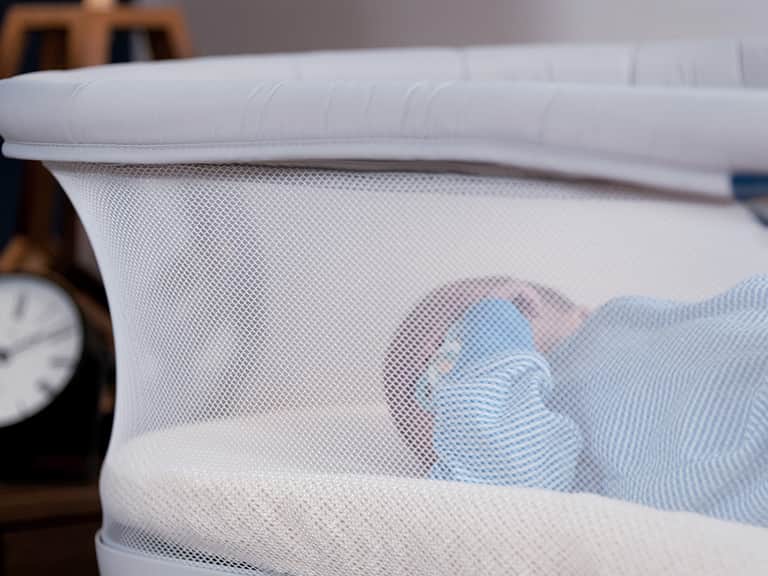
Naturepedic Organic Breathable Bassinet Mattress for Halo Bassinets
Product: Naturepedic Organic Breathable Bassinet Mattress for Halo Bassinets
Brand: Naturepedic
Price: $49.00
Description: An organic bassinet mattress designed for Halo bassinets with a breathable, organic cotton surface, a waterproof backing, and a removable, machine-washable cover. It is free from polyurethane foam, vinyl/PVC, phthalates, and other harmful substances, meeting safety standards without chemical flame retardants. The mattress aims to offer a safe, comfortable, and hygienic sleeping surface for infants, supporting a healthy sleep environment from the earliest days.
Key features: Custom fit for Halo bassinets, breathable 3D surface, waterproof backing, machine-washable cover, non-toxic materials.
Product page
Closing Thoughts: Sleep as a Dialogue with Time
In the end, establishing a consistent sleep schedule is less a rigid timetable than a conversation with time itself. It is a patient dialogue between the body’s needs and the world’s rhythms—an ongoing negotiation with wakefulness that pays dividends in health, cognition, and emotional resilience. The proposed routine is practical, evidence-informed, and human-centered: it honors the body’s biological clock while acknowledging the messiness of daily life. By cultivating a dependable bedtime and wake time, by shaping the sleeping environment, and by nurturing pre-sleep practices, you set the stage for nights of deeper rest and days of more generous, alert living. The journey toward better sleep is not a single overnight triumph but a sustained, evolving practice—a natural extension of curiosity about the human body and its need to rest thoroughly in order to awaken with wonder to the world.