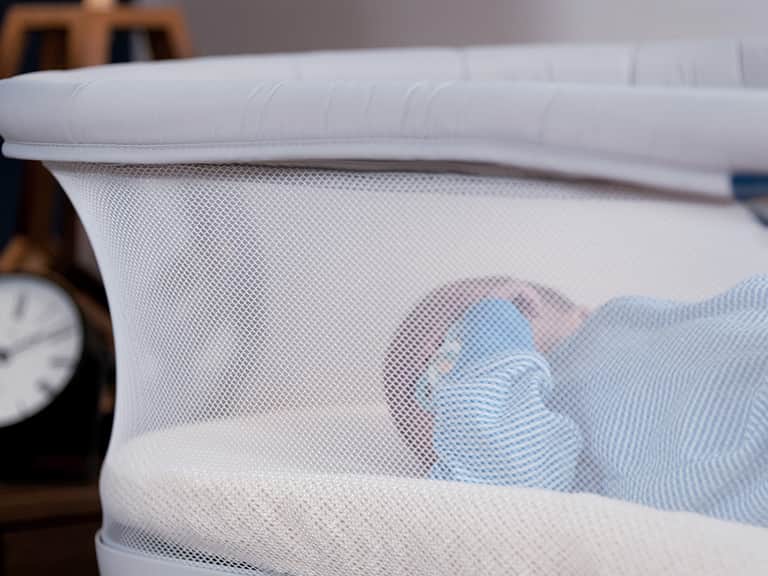
Setting the Scene: The Sleep-Worthy Bedroom
From the first ember of evening to the last breath of predawn light, the bedroom is more than a place to lie down. It is a theater for circadian rhythm, a chamber of sensory cues, and a canvas on which we paint calm. The summary of a sleep-friendly room is simple in concept but vast in practice: keep the air clean and cool, light the night with intention, soften the sounds that puncture the quiet, and attend to the bedding and support that cradle the body in alignment. When these elements align, sleep comes more readily, deepens more fully, and your mornings begin with a cleaner slate for focus, mood, and curiosity.
Modern sleep science teaches us that the body’s internal clock—our circadian rhythm—responds to environmental cues just as much as to the need for rest. A cool temperature signals the body that night has fallen; a dim, warm light signals it is time to wind down; quiet, steady soundscapes minimize abrupt awakenings and the stress response. The veldt-like field where these cues gather is your bedroom. If you treat it with the same care you give to a scientific expedition, you’ll likely discover that your nights become longer in the most generous sense: longer in restorative depth, longer in continuity, longer in the quiet minutes of true relaxation.
Temperature, Air Flow, and Comfort: The Climate of Sleep
Temperature is not merely a measure of how warm a room feels; it is a signal to the body about when to lower metabolic rate, reduce heart rate, and deepen breathing. Across climates and seasons, a cool, comfortable range provides the most reliable sleep dividends. In many households, a target between 60 and 67 degrees Fahrenheit (about 15 to 19 degrees Celsius) balances the physiological needs of the body’s natural cooling during sleep with the practicalities of warmer nights. If your thermostat hovers outside this range, even by a few degrees, sleep often becomes a two-step process: you fall asleep but wake during the night as your body seeks to reclaim the right temperature for rest. This is not mere whim—it is a physiological terrain that sleep researchers map with every study on body temperature and sleep stages.
Air circulation is equally vital. Stagnant air can amplify stale odors, irritants, and humidity that may contribute to mild discomfort or seasonal allergies. A gentle breeze, a ceiling fan on low, or a separate air purifier with a quiet fan can move air without creating disruptive gusts. The goal is to create an even, breathable environment that helps you drift into sleep without fighting against the room’s breathing. If you live in a city with nocturnal noise or outside stimuli, consider a climate-aware strategy: a white noise device or a soft, continuous soundscape can mask sudden interruptions and deliver a steady auditory backdrop for sleep. The soundtrack should be unobtrusive, not a distraction—like a distant ocean, a rustle of leaves, or a soft hum that attenuates abrupt noises rather than amplifying them.
Lighting as a Sleep Cue: Dimming, Temperature, and Circadian Signals
Light governs the body’s perception of day versus night. The brain’s pineal gland responds to light exposure, adjusting melatonin production and shifting the tempo of our sleep-wake cycle. In practical terms, this means you should curate lighting that tells your body: the day is ending. In the evening, favor warm-toned, dim lighting—think amber or peach hues rather than harsh white. Dim lights an hour before bed can signal the brain to begin winding down, nudging you toward sleep without abruptness. Blackout curtains or an eye mask can further reduce ambient light from streetlamps or early morning sun, helping to stabilize sleep continuity, especially for those who work late or live near bright urban lighting. If you wake during the night, a small night light in a soft color can prevent the brain from waking fully due to sudden darkness or brightness, offering a gentle path back to sleep.
The goal is not total darkness at all times but a familiar, predictable lighting pattern that aligns with the circadian rhythm. Consistency matters: even on weekends, keeping a regular bedtime and wake time helps the body learn when to prepare for rest and when to wake with a sense of natural rhythm rather than a jolt of alarm-driven stress. In practice, this can mean using two layers of light control—a dim, warm lamp for nighttime routines and a heavier blackout layer for the late-night hours—so the room supports both the ritual of winding down and the quiet of sleeping without interruptions.
Sound: The Quiet Please of a Sleep-Friendly Space
Sound is a double-edged blade in the realm of sleep. On one side, a tranquil, predictable auditory environment can shield the sleeper from sudden disturbances. On the other, certain sounds can promote relaxation and even bolster deeper sleep stages when used knowingly. A minimal, steady soundscape—whether a white noise stream, a soft rainfall track, or a distant natural ambiance—can blur sharp noises and keep the mind from tracking every creak or distant horn. Conversely, bright or irregular sounds—sirens, loud conversations, or clattering objects—can trigger micro-arousals that fragment sleep architecture. The advice here is simple: create a boundary of quiet that you can retreat into, and preserve it as part of your nightly ritual. If you share your space, coordinate with others to minimize wake-up triggers, and designate a bedtime routine that protects this acoustic boundary.
In this era, the bedroom becomes a sanctuary where sound design and sleep science converge. The idea is not to silence the world completely, but to curate a sound environment that supports unbroken rest. Your approach should be personal and practical: a consistent volume level, a preferred nature or ambience track, and a plan for what you do if you wake—whether it’s a few minutes of gentle breathing, a sip of water, or a brief stretch—before returning to sleep.
Bedding, Pillows, and Posture: The Architecture of the Night
The fabrics that touch our skin are not decorative; they anchor spine alignment, regulate temperature, and influence respiratory comfort. Breathable fabrics—cotton, eucalyptus-derived fibers, or linen blends—help wick moisture and keep you from overheating through the night. The choice of mattress and pillow shape a sleeping posture and spinal alignment. A mattress that matches your sleep style—side, back, or stomach—can dramatically reduce pressure points and micro-movements that disturb sleep. Equally important are pillow height and firmness. A pillow that supports the natural curve of your neck, ensuring that your head aligns with your spine, reduces tension in the shoulders and upper back, contributing to longer, more uninterrupted sleep.
In addition to materials and support, the ease of cleaning and maintenance matters. Removable, washable covers can simplify hygiene, especially in households with allergies or sensitivities. A clean sleep surface becomes a subtle, constant contributor to restful nights, much as a clean field supports a long, clear expedition. Setting up your bedding to be breathable, supportive, and easy to refresh is a practical, nearly ritual act that pays dividends night after night.
Air Quality and Circulation: The Breath of the Bedroom
Indoor air quality shapes nasal comfort, throat hydration, and overall sleep quality more than many people realize. Dust, volatile organic compounds, and dampness can cause irritation that nudges the brain toward wakefulness. A room that remains well-ventilated and free from excess humidity can calm the respiratory system and keep sleep undisturbed. Practical steps include regular dusting, vacuuming with aHEPA filtration, and, where feasible, opening windows to exchange stale air (season permitting). Plants, in modest numbers, can contribute to a sense of air freshness, but they should be chosen with care to avoid excess moisture or mold growth in poorly ventilated spaces. If you are sensitive to odors or chemical cleaners, consider fragrance-free products and natural cleaning methods that minimize irritants in your sleeping space.
Balanced air quality supports not only comfort but also long-term health. A calmly ventilated room reduces the likelihood of congestion that can interrupt sleep cycles and leads to a more restorative night’s rest. In this sense, the bedroom becomes a small, controlled ecosystem, where air, temperature, and humidity are tuned like a precise instrument to sustain quiet, deep rest.
Color, Texture, and Personal Space: The Psychology of Rest
The hues and textures of your sleep space subtly shape mood and readiness for sleep. Calming color palettes—soft neutrals, cool blues, gentle greens—support a serene atmosphere, while high-contrast or overly saturated colors can provoke alertness or visual stimulation late at night. Textures matter too: breathable bedding with a tactile softness invites relaxation; a minimal amount of clutter reduces cognitive load before sleep. Personal space matters as much as the room’s physical properties. A bedroom that reflects a sense of safety, order, and belonging can become a sanctuary that your mind recognizes as a place to restore energy, dream, and reset for the day ahead.
The power of routine in a sleep-friendly room cannot be overstated. A consistent ritual—tidying the space, dimming the lights, engaging in a brief wind-down activity—transforms a room from a space you inhabit into a place that inhabits you, guiding you toward restful, restorative sleep with grace and ease.
Three Figures Who Shaped Sleep Wisdom
Across eras and disciplines, certain figures illuminate the path to better sleep by bridging science, care, and culture. Their ideas—rooted in observation, compassion, and curiosity—continue to guide how we design bedrooms and cultivate routines. Here are three such figures from different time periods, whose insights resonate in today’s sleep-conscious homes.
Hippocrates of Cos (c. 460 – c. 370 BCE)
Known as the father of medicine, Hippocrates championed the idea that health rests on balance and natural processes. While he did not write a treatise on sleep as we know it today, his ethos—rest, balance, and the body’s ability to heal in the quiet hours—shaped a medical culture that recognized sleep as a vital component of well-being. Ancient physicians observed that ill health often accompanied disrupted routines and environmental discomfort, and they suggested sleep as a restorative partner to medicine. In modern terms, Hippocrates would remind us that sleep is not a passive absence of wakefulness but an active, essential process for healing, learning, and adaptation. In bedroom design, this translates to a space that respects the body’s need to downshift, to be in a cool climate with a gentle, predictable rhythm, and to allow the mind to disengage from the day’s busyness without abrupt stimulation at bedtime.
Florence Nightingale (1820 – 1910)
Yearning for order and care, Florence Nightingale reimagined health environments in hospitals, emphasizing cleanliness, air flow, and patient rest as core elements of recovery. Her emphasis on environment as the first line of defense against illness—bright, well-ventilated wards, quiet hours, and systems that minimize discomfort—resonates with contemporary sleep improvement. Nightingale’s advocacy for reducing noise, controlling temperature, and separating daytime activity from nighttime rest speaks directly to the modern idea that a well-designed sleep environment is a health intervention in itself. In your bedroom, this legacy invites you to cultivate a space where cleanliness and order support calm, where temperature is controlled with balance rather than extremes, and where the night is a sanctuary rather than a battlefield of stimuli. Her ethos remains a reminder that sleep health often starts with the environment we create for ourselves rather than only with willpower or medication alone.
Matthew Walker (born 1970s)
A leading contemporary scholar, Matthew Walker has popularized the science of sleep in accessible terms, most notably in his book Why We Sleep. His work frames sleep as a multi-layered biological necessity, linking circadian rhythms, sleep stages, memory consolidation, and emotional regulation. Walker’s research highlights the profound consequences of chronic sleep restriction on learning, mood, metabolic health, and immune function. In practice, this translates to a bedroom that supports robust sleep architecture: reliable cues for circadian alignment, a comfortable bed that minimizes awakenings, and a routine that honors the distinct stages of sleep—light sleep, deep sleep, and REM. Walker’s insights encourage readers to treat the bedroom as a laboratory for personal health: monitor patterns, adapt the environment, and recognize sleep as one of the most powerful levers for long-term well-being.
Product Spotlight: Naturepedic Pet Bed as a Model for Sleep Hygiene
In a household where beds and bedding serve both humans and pets, the design of a pet sleep surface can illuminate a broader approach to sleep hygiene. The Naturepedic Organic Pet Bed with Washable Waterproof Cover represents a thoughtful blend of natural materials, durability, and practical maintenance. Crafted from GOTS-certified organic cotton and filled with supportive shredded latex, this pet bed is designed to offer a safe, comfortable space for a four-legged family member. Its removable, waterproof cover makes routine cleaning straightforward, helping to maintain a hygienic sleep environment for pets that share the home with humans. The bed’s construction is free from flame retardants and polyurethane foam, aligning with a health-conscious approach to materials that many sleep enthusiasts seek for every surface in the sleeping domain. Available in multiple sizes, it accommodates a range of pets—from small companions to larger companions—allowing owners to extend sleep safety and comfort beyond themselves.
Price: 99.00 USD. This product is a practical example of how careful material selection, durability, and ease of cleaning contribute to a healthier sleep ecosystem within the home. While images cannot be displayed here, imagine a bed made of soft organic cotton, a tidy, water-resistant cover that resists muddy paw prints, and a design that emphasizes long-lasting support for a pet’s rest as a natural neighbor to human sleep. For households seeking to harmonize sleep quality across humans and animals, this product embodies the principle that the sleep environment is a shared sanctuary and that attention to every surface can ripple outward into better rest for all occupants.
Note: Images cannot be displayed in this article. The product spotlight above references the Naturepedic Organic Pet Bed with Washable Waterproof Cover. For visual reference, you may consult product catalogs or retailer pages that feature the item’s construction and finishes.